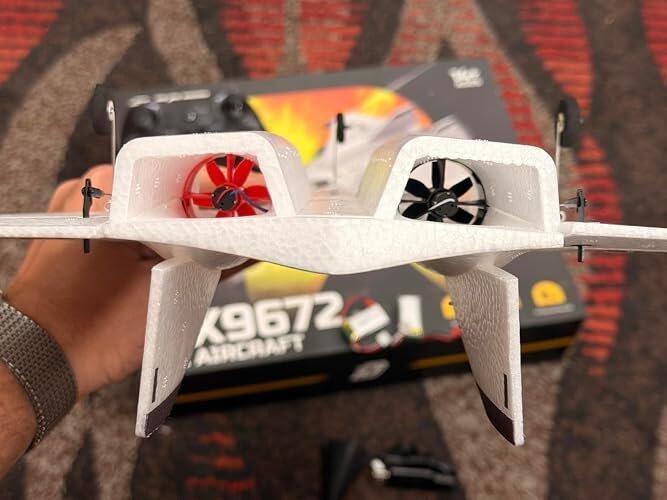
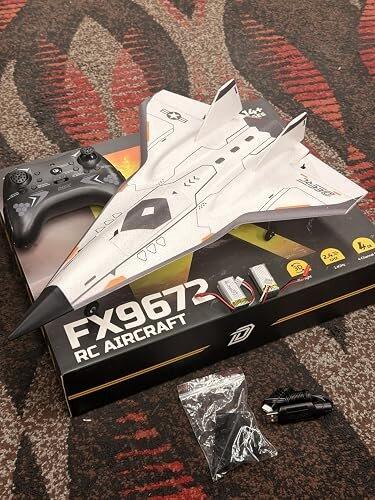
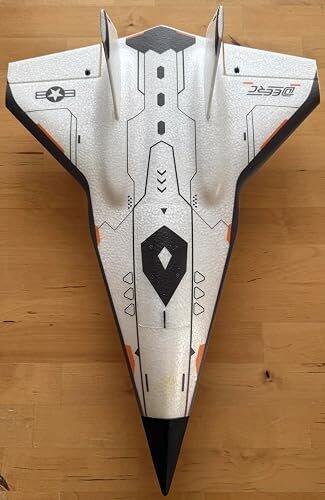
- POWERFUL AND FUTURISTIC – The RC plane's twin-ducted fan design delivers a higher thrust-to-weight ratio of 1:0.9, requiring a short 5-10 meter run to take off. Its futuristic fighter jet paint scheme adds sleek style. Experience both power and performance in one dynamic model!
- BOOSTED PERFORMANCE – The remote control plane comes with two 7.4V 20C LiPo batteries, providing stronger power and higher discharge rates for enhanced flight performance. With these powerful batteries, you’ll experience smoother, faster, and longer flights, taking your RC flying experience to the next level!
- FLY WITH VERSATILITY – The RC airplane features three adjustable flight modes for different skill levels. Mode C unlocks advanced stunts, including 3D maneuvers and inverted flight, and should be activated only when flying above 30 ft (9 m) for sufficient maneuvering space. From smooth beginner-friendly control to exciting aerobatics, enjoy a dynamic flying experience as your skills progress
- STABLE AND SMART – The RC Jet is equipped with a six-axis gyro for enhanced stability, allowing smoother and more controlled flights. With the added low battery warning, you’ll always be aware of power levels, ensuring safe landings and uninterrupted enjoyment. Fly with confidence every time!
- DUAL TAKEOFF OPTIONS – The model airplane offers two exciting takeoff methods: a hand-launch option for quick and easy starts, and a runway takeoff option for a more realistic experience. Choose your preferred style and enjoy the thrill of soaring into the skies!
-
SATISFACTION AFTER SERVICE: If for any reason you are unhappy with any product by us, please do not hesitate to contact us. We take full ownership and responsibility for the quality of our products and will do our very best to solve your problem quickly and efficiently!
Product description


Free shipping over$99


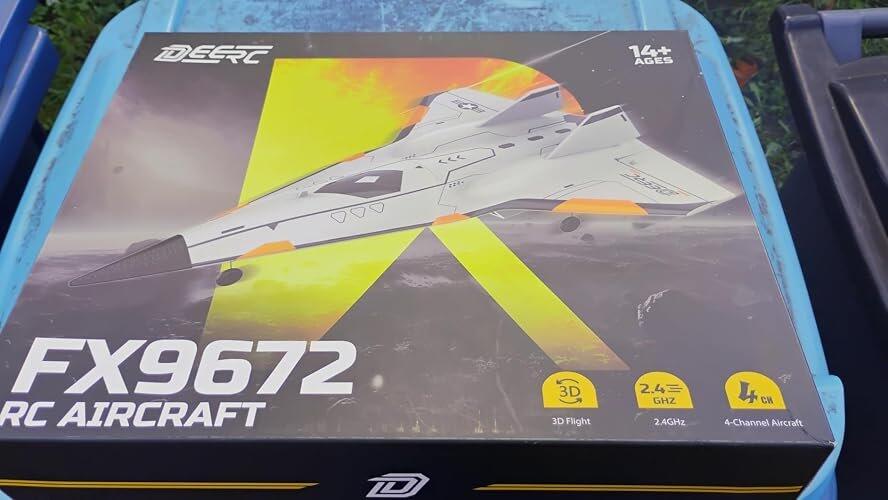
DEERC RC Plane for Adults,4CH EDF Remote Control Airplane Twin Ducted Fans Twin Ducted Fans Aerobatic,2 Brushed Motors,3 Flight Modes,2 Lipo Batteries,2.4GHz RTF Glider Hobby Plane for Advance Player
Order in the next to get it between and
hoursminutes
Guaranteed Safe Checkout


J
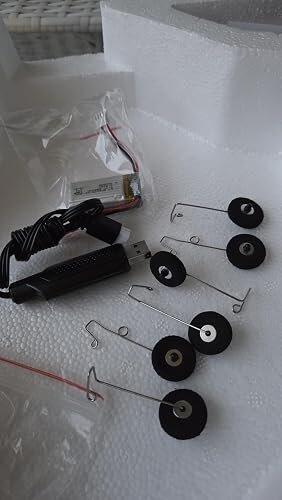
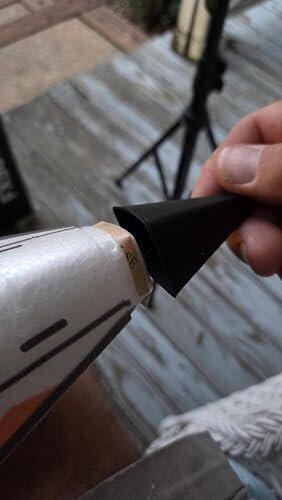
I’m mainly a RC car and truck person but I’d like to fly. Also this is great for beginners or advanced guys. It comes with two 2cell lipos. Charger even has extra landing gear wheels and an extra nose tip and I’m glad it did cause I crashed it and lost one of the landing tires so I had an extra. It has three different modes for flying and anb mode it’s nice to fly and it can get really fast but you can dial it down and still fly in a close proximity, but I put it on acrobatic mode and that’s when I crashed. I wasn’t ready yet but it’s amazing how fast and all the tricks that you can do in acrobatic mode once you get up to that level, but make sure you’re ready and have open space are you a crash like I did but when I crashed the little rubber nose tip that you glue on is the only thing that came off which I put right back on the plane was still intact and still working so it’s very durable. It’s decent size, but not too small but not too big and I like to overall looking and feel the remote. I’m very impressed with this plane and never helped me learn in advance my flying skills.. for the price you can’t beat the performance I promise you will be very impressed with the power and performance of this plane.
L
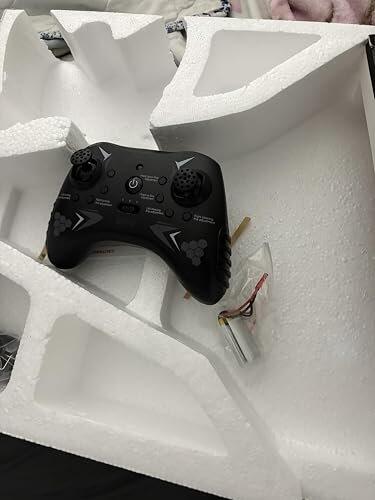
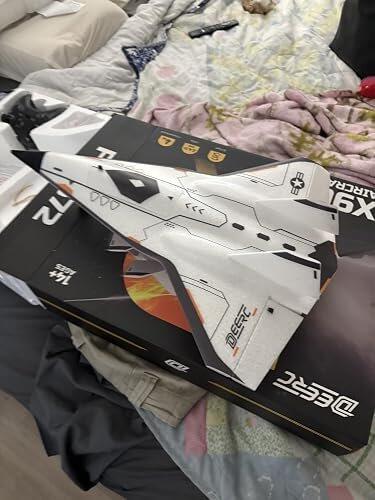
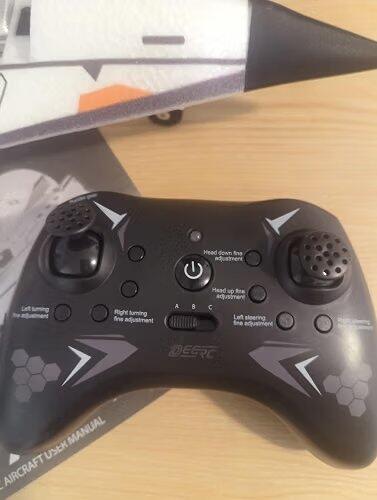
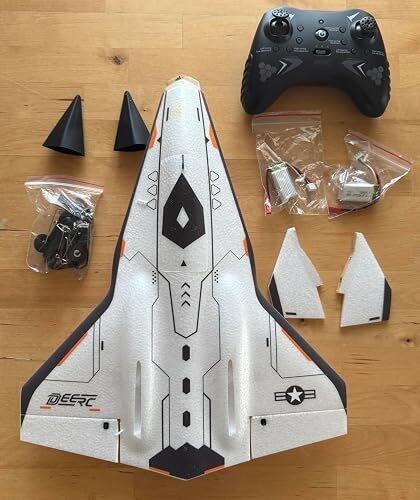
Let me start by saying that I have other R/C planes made by DEERC, and they all have their Pros and Cons of course, and I have been into R/C's since 2003. This plane glider with twin ducted fans is different that the other ones that I own, and since the fans are designed like real jet propulsion it seems to handle more agile and easier to control. It is made out of styrofoam, so it is extremely light, and very easy to carry around. There is no rudders, just flaps to control the turning, and pitch while it is up in the air. There is a thin stick tape that you peel off for the nose, and the two rear rudders, but I wound up using contact cement or in other words plastic model glue. Cause after a couple of times this glider has a habit of going nose first into the grass and tearing off that tape.I have only had the chance of taking it out once so far in a R/C airplane field near my home, and since the weather was 78 degrees with only 7mph wind I would say it was just a perfect day to fly this glider out. I am still trying different modes and adjusting the trimming in the settings. There are 3 different modes A, B, and C, and the transmitter setting is set at B from default. It is a good setting to get you going and get the feel on how the plane should fly, and it is a good and decent mode for experienced flyers who have flown R/C planes before.This R/C does come with everything that you see in the ads, such as two 7.4 lipo , 20C batteries, One USB charger, manual, 6 landing gears, and 2 nose cones, and 2 rear rudders. 1, 2 stick controller, and 1 plane.In the END: I think it is a very fun glider for adults or teenager to have fun before stepping up to the bigger more expensive R/C aircraft. I also believe that you should take this R/C to a big empty field or somewhere where there is no obstacles in your way, such as trees, power lines, antennas, buildings and things in that nature for you to fly into and hit. Not to mention a place with no radio interference that can disrupt the 2.4 transmitter and the receiver signals to the plane.*Cons: I only had a very little bit of problems with this glider, and #1 of them was the nose cone would come lose after a few hard landings, and #2. was one of the rear landing gears would somehow slide out of the plastic and pop off. #3. the battery cover has to be firmly pressed on in the front, cause otherwise it will come lose over time. #4. after putting the landing gears, rudders, and the nose cone, the box is useless. #5. I have to go and re-glue the nose back on, and these are just the little things that I have dealt with.*Pros: For only taking it out for a few hours in one beautiful day, I had quite a bit of fun on 1 single battery with plenty of juice left over. That one was from the B settings from the transmitter so far, cause once I got this glider up in the air about ( 20 feet ) I didn't really need that much of thrust or throttle to start enjoying it. At least until I start using the more advance C settings for doing tricks and things like that. The flaps are a good size for their ability to turn, climb, and descend, and this type of controller that comes with this does look cheap, but it has a good weight feel with plenty of adjustments.
R
Really nice design and overall it's put together better than I expected. The controller especially surprised me. It doesn't have that hollow cheap plastic feel a lot of RC planes come with and actually feels somewhere between a decent mid grade hobby controller and lower tier professional setup. Controls are laid out nicely and the plane itself looks great.Where this loses me a little is the battery setup. I appreciate getting 7.4V LiPo batteries at this price, plus they include two, but they're still those tiny low mAh mass produced packs. Realistically you're looking at around 10 minutes of flight depending on how aggressively you fly.Another thing I wasn't crazy about is the assembly. The upright rear wings and even the nose section depend on cheap pre applied adhesive tape to stay attached. On something that's eventually going to take a few rough landings, I'd much rather see a better mechanical attachment or at least stronger adhesive.That's really what separates this from a proper hobby grade model for me. The plane and especially the controller make it feel more serious, but the tiny batteries and taped on pieces quickly remind you it's still closer to the toy grade side. Still fun and pretty good for the price, just a few corners were definitely cut.
M
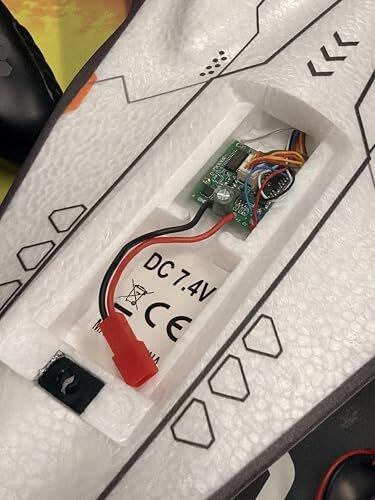
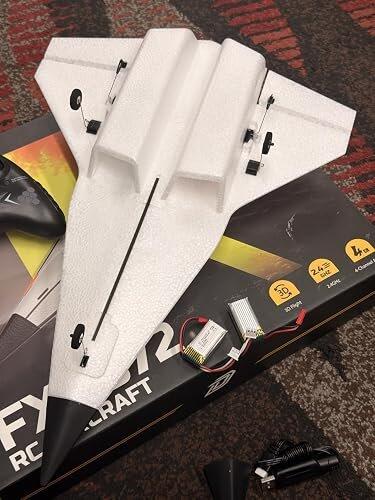
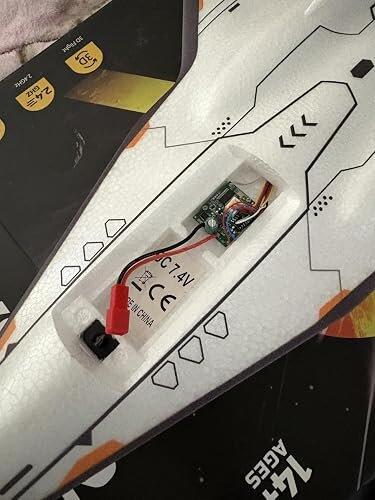
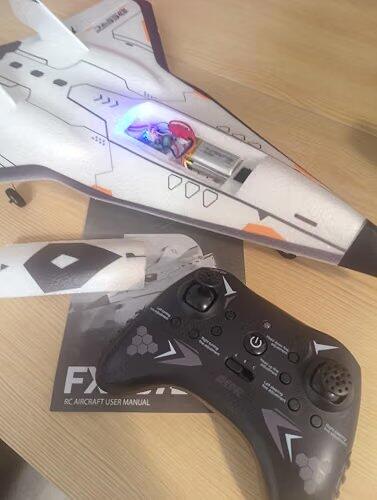
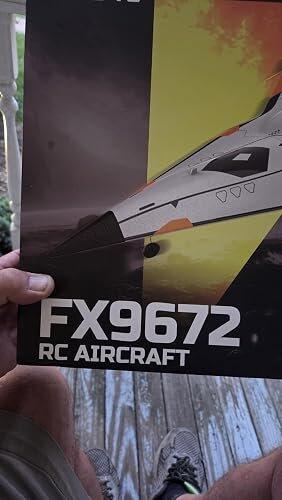
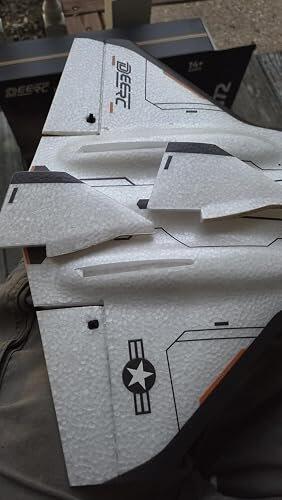
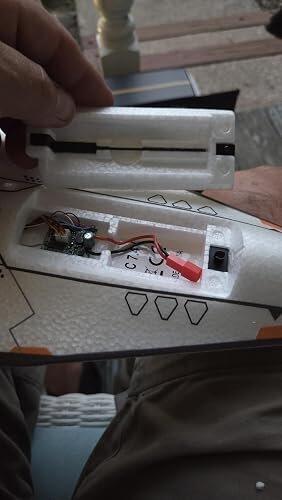
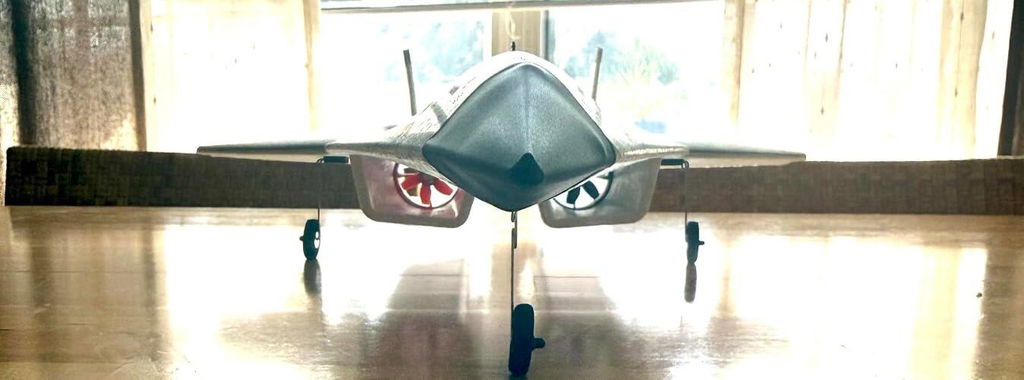
ASSEMBLY AND STORAGE:Assembly is simple and requires minimal setup time. The vertical tail fins slide directly into pre-cut slots on the top of the main body, and the soft rubber nose cone attaches using double-sided tape once you peel off the protective backing paper. The kit includes snap-in wire landing gear, spare batteries, and a USB charger. Once the tail fins, nose cone, and wheels are installed, the aircraft is too wide and tall to fit back into the factory box for storage or transport.BATTERY COMPARTMENT AND DURABILITY:The top foam hatch held by plastic snap latch opens to expose the receiver board and battery bay. The 7.4V LiPo pack rests directly under the lid. During rough landings in thick grass, the airframe held up well without breaking, though the top hatch popped loose, allowing the battery to shift out of place.FLIGHT PERFORMANCE AND HANDLING:The twin ducted fan units deliver strong thrust compared to standard propeller setups. Solo hand launches require a quick toss and immediate hand movement back to the throttle stick. Having a second person launch the plane would make takeoff much easier. The built-in 6-axis gyro maintained good stability in the air. In the medium flight setting, the turning radius is fairly wide, requiring a substantial open area to fly loops comfortably. Have not tried the plane in the acrobatic mode which might make the turns much less radius. In this mode you do risk going upside down so you need to be a little more practiced before you try it.One feature of this plane not mentioned is that the ducted fans are not exposed. Crashing into trees or the ground or anything else will not break the propellers off like all other open propeller planes. That's why they don't include spare Replacements in this kit.AGE RECOMMENDATION:The packaging lists the age requirement at 14+. Younger users could handle it if they have prior flight experience or adult assistance during hand launches, but complete beginners will need plenty of open space to manage the wide turning turns.
C
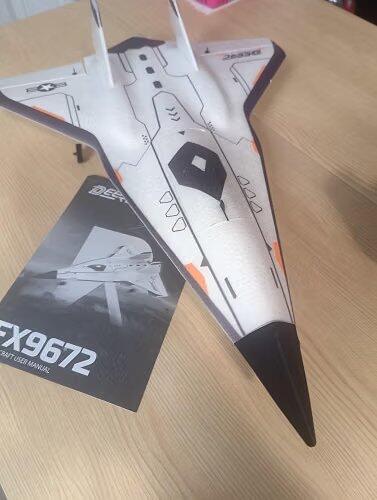
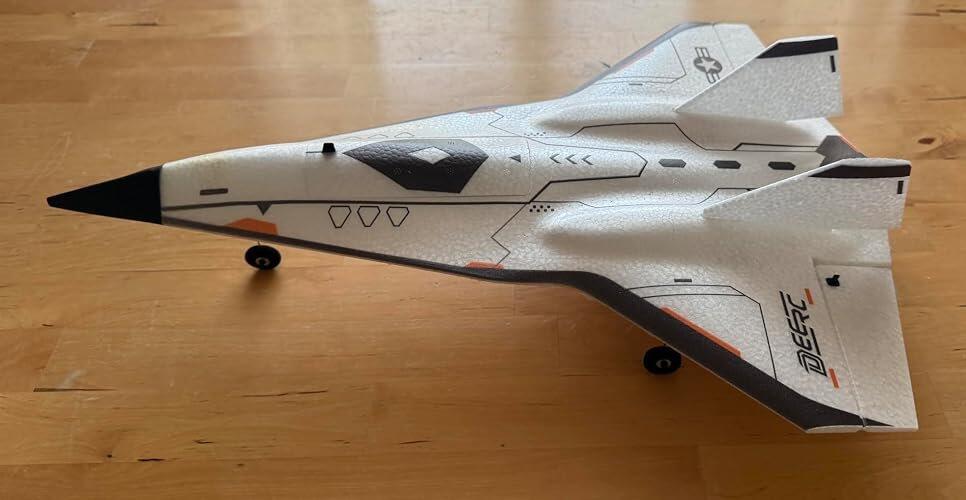
This DEERC RC Plane for Adults has a futuristic fighter jet design aesthetic. The sleek shape, detailed paint scheme, and twin vertical fins give it a really cool, high tech appearance that makes it stand out from typical RC planes.I was impressed with the performance. The twin ducted fan setup provides plenty of thrust, and the plane only needs a relatively short 5–10 meter run for a runway takeoff. I also like having the option to hand launch it when a runway is not practical and I actually preferred the hand launch. The two included batteries provide strong power, and the plane feels responsive and energetic in the air. The extreme climb rate was the most surprising part of flight.The three flight modes make this a versatile plane for different experience levels. The lower modes provide stable, predictable control, while the advanced mode opens up more exciting aerobatic possibilities, including 3D maneuvers and inverted flight. The six axis gyro does a good job of keeping the plane stable and making the controls feel more manageable, especially when you are getting accustomed to its flight characteristics.I like the fine tuning that was offered via the remote control which further stabilized the flight.The low battery warning is another useful feature because it gives you an indication that it is time to bring the plane back instead of guessing how much flight time remains.My only complaint was with the battery compartment. The cover never felt like it was fully seated although it never blew off during any of my flights.One important note is that you will need to have a large area, in order to fly this plane. I first tried to fly it over a one acre field and that area was much too small as the amount of space it takes to complete a turn is approximately that same area. The plane was significantly easier to fly over a fifty acre pasture.
L
If you're looking for a fast, responsive RC plane that feels like flying a mini jet, this DEERC EDF model is an awesome choice. The twin ducted fan system gives it a really realistic jet sound and smooth thrust, making high-speed passes and aerial maneuvers super exciting to watch.The 4-channel control along with three different flight modes makes it accessible whether you're dialing in your skills or ready to execute loops, rolls, and aerobatics. The delta-wing design looks sleek in the air, and the durable EPP foam construction handles soft landings or minor bumps without cracking easily.Having two LiPo batteries included right in the package is a massive plus—you can swap them out and keep flying twice as long without waiting around for a recharge. The 2.4GHz remote offers precise response and reliable range so you can fly with confidence.If you want an eye-catching, fast EDF RC glider for open fields or parks, this RTF (Ready-To-Fly) jet setup is a blast to fly!